

What Is a Portable Oxygen Concentrator?
Life with a respiratory condition can sometimes feel limiting, but medical technology has advanced in remarkable ways. One of the most transformative innovations for oxygen patients is the portable oxygen concentrator (POC). These devices give users the freedom to travel, socialize, and enjoy day-to-day activities without being tethered to stationary oxygen equipment. In this guide, we’ll explore what portable oxygen concentrators are, how they work, and which models might be right for you.
Understanding the Basics

A portable oxygen concentrator is a medical device that provides supplemental oxygen to people who need it for conditions such as COPD, pulmonary fibrosis, or other respiratory challenges. Unlike heavy oxygen tanks that require regular refilling, a POC creates oxygen directly from the surrounding air. This means you don’t run out of supply while on the go.
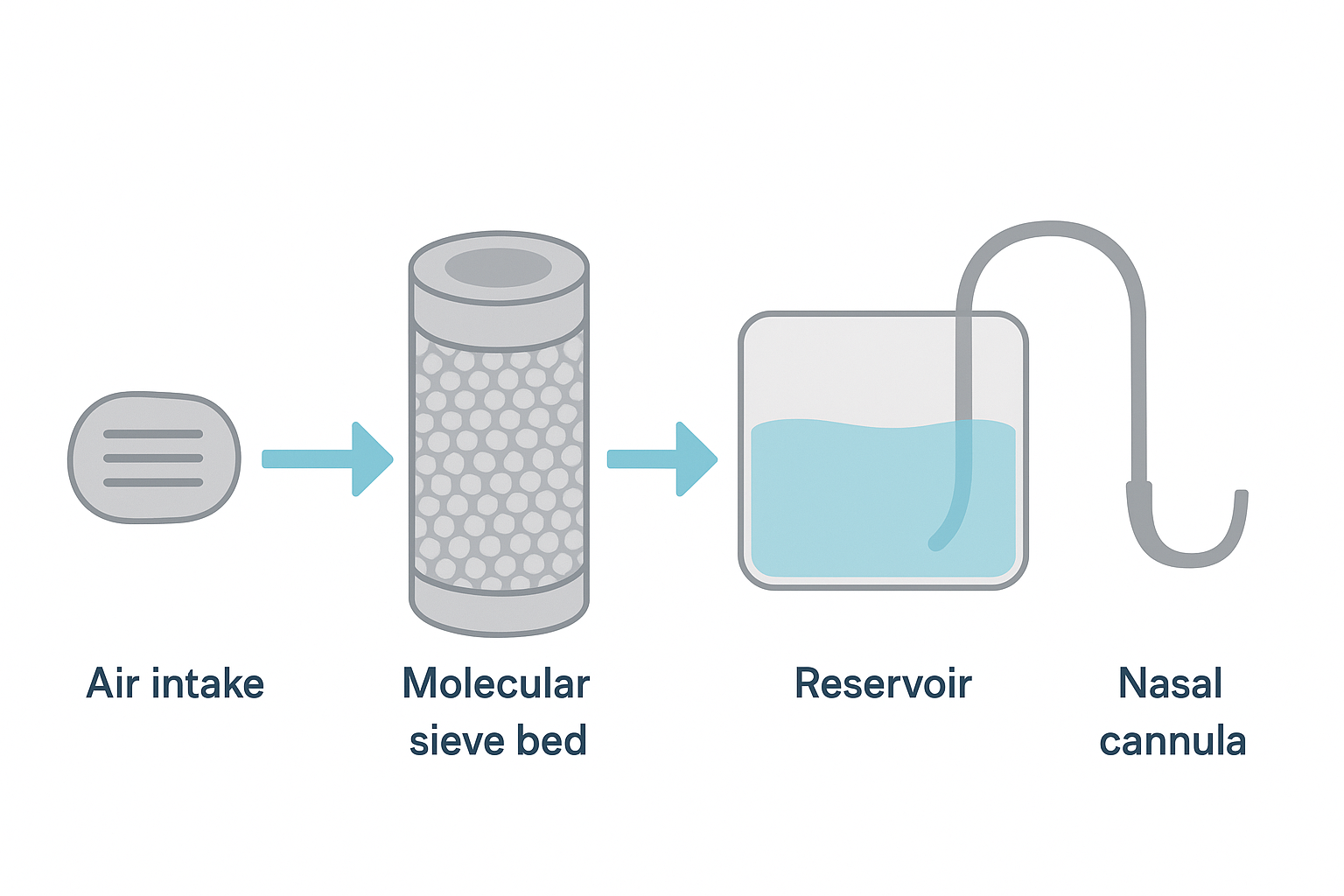
The process is simple but powerful: ambient air is taken in, filtered, and concentrated so that the patient receives purified oxygen through a nasal cannula or mask. By eliminating the need for refills, POCs represent a long-term, practical solution for maintaining an active lifestyle.
How Does a Portable Oxygen Concentrator Work?
- Air Intake: The device pulls in surrounding air, which contains roughly 21% oxygen.
- Filtration: Dust, pollen, and contaminants are removed by filters.
- Concentration: The air passes through sieve beds that use Pressure Swing Adsorption (PSA) to separate nitrogen, leaving behind concentrated oxygen.
- Delivery: The purified oxygen (up to 90–95% pure) is delivered directly to the user.
Thanks to this technology, patients have a constant oxygen supply without worrying about tank changes or refills.
Size and Portability
One of the biggest advantages of portable oxygen concentrators is right in their name—portability. Depending on the model, POCs can weigh as little as 2 pounds or as much as 20 pounds. This is a massive improvement compared to large stationary units or heavy oxygen tanks.
For example, the Inogen Rove 6 weighs under 5 lbs with a single battery, making it ideal for air travel and everyday errands. Other lightweight options include the Lifestyle P2, one of the smallest and most compact concentrators available today. Patients who need higher capacity might prefer models like the Liberty 2 or Oxlife Independence, which balance portability with power.
Key Features of Portable Oxygen Concentrators
1. Battery Life

Battery duration varies by model but typically ranges from 2 to 13 hours on a single charge. Some units, like the Inogen Rove 6, offer extended double-battery options, giving you even more freedom from charging. This flexibility allows users to confidently plan travel days, social events, or extended outings.
2. Oxygen Delivery Modes
- Pulse Dose: Delivers oxygen only when the patient inhales, conserving power and extending battery life. This is ideal for active use.
- Continuous Flow: Provides a steady stream of oxygen, often required during sleep or for patients with higher oxygen demands.
Some POCs offer both modes, making them versatile for both daytime and nighttime use.
3. Noise Levels
Modern portable oxygen concentrators are designed to operate quietly, often around 39 decibels—similar to a whisper. This makes them discreet for public use and non-disruptive during sleep.
4. FAA Approval
Many POCs are FAA-approved, which means you can bring them onboard and use them during flights. This feature has been life-changing for patients who want to travel without restrictions. Devices such as the Inogen Rove 6 and Lifestyle P2 are well-suited for air travel.
Benefits of Using a Portable Oxygen Concentrator

- Freedom and Mobility: Say goodbye to bulky oxygen tanks and enjoy movement without limits.
- Cost-Effectiveness: While the upfront investment may seem high, eliminating tank refills saves money long-term.
- Ease of Use: User-friendly interfaces, push-button controls, and minimal maintenance make POCs simple to operate.
- Health and Wellness: Reliable oxygen therapy improves energy, reduces shortness of breath, and enhances quality of life.
Choosing the Right Portable Oxygen Concentrator
The “best” POC depends on your oxygen requirements, lifestyle, and travel habits. Here are some top options available at Travel Oxygen:
- Inogen Rove 6 – Lightweight, FAA-approved, and perfect for everyday use.

- Lifestyle P2 – Compact and discreet, ideal for users seeking the smallest option.
- Liberty 2 – A small but powerful concentrator with excellent nighttime capability.
- Oxlife Independence – Durable and versatile, with both pulse and continuous flow options.




Not sure whether buying or renting is right for you? Many patients choose to rent a portable oxygen concentrator first to test different models before committing to a purchase.
Final Thoughts
Portable oxygen concentrators are more than medical devices—they’re tools for freedom. Whether you’re flying across the country, enjoying a day out with loved ones, or simply wanting more mobility at home, the right POC can transform your lifestyle.
With models like the Inogen Rove 6, Lifestyle P2, Liberty 2, and Oxlife Independence, there’s an option for every oxygen user. Whether you choose to buy or rent, these devices open the door to a more active and independent life.